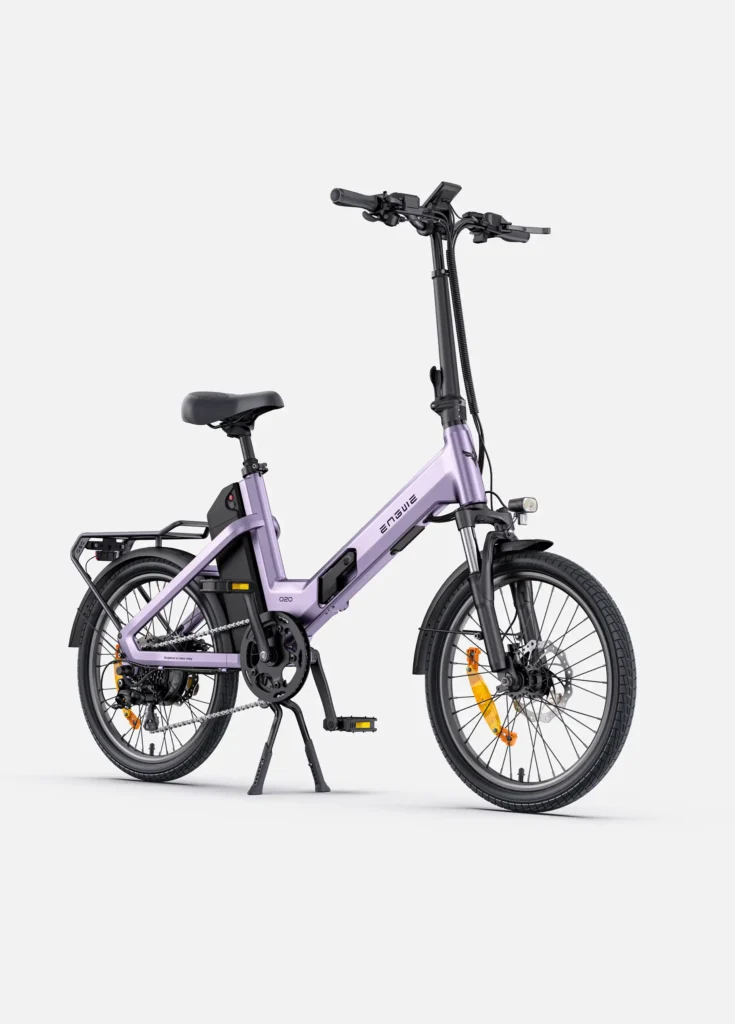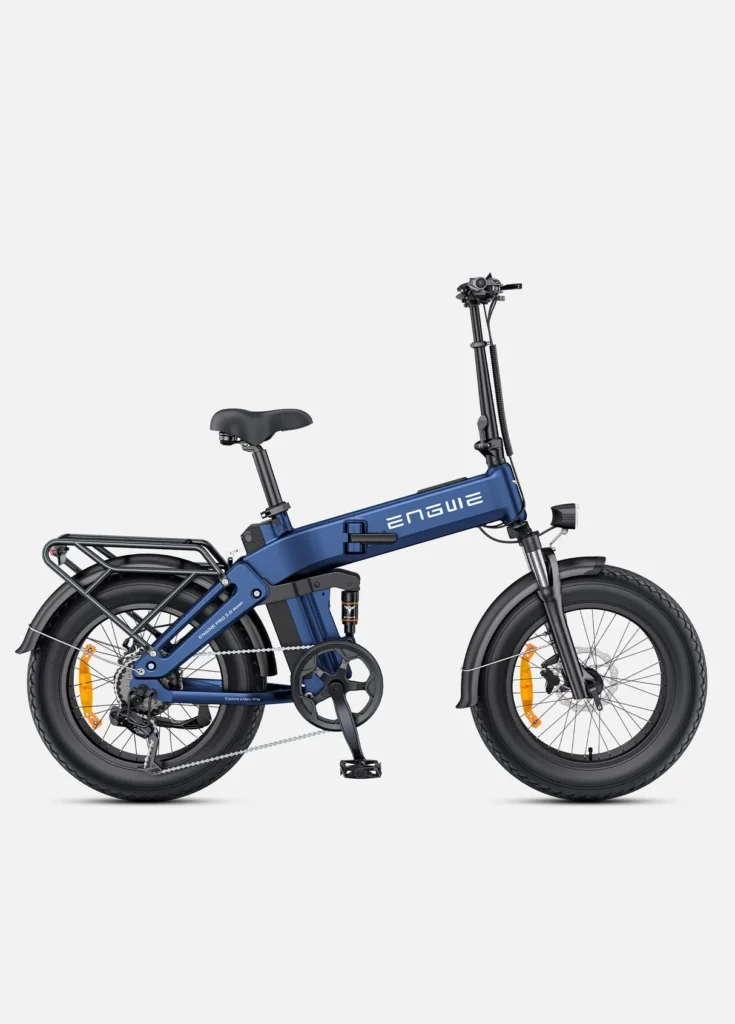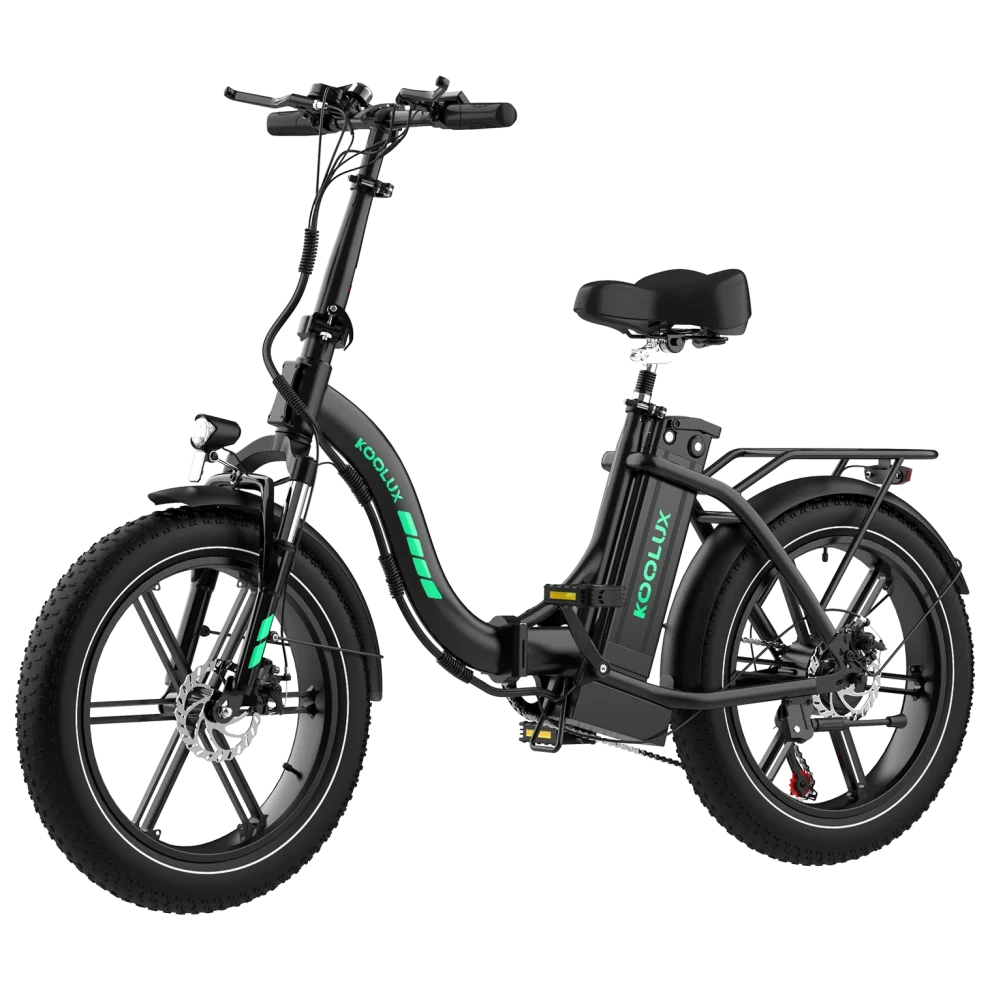
In 2026, commuting in Manchester is more expensive than ever. Rising public transport fares, higher fuel costs, and city centre parking charges have pushed many people to look for a smarter, more cost-effective way to travel. Electric bikes have quickly become a practical solution but for most buyers, the key question is simple: can you get a reliable eBike for under £1000?
With many premium electric bikes priced well above £1,500, it’s reasonable to question what a £1000 budget actually delivers. The good news is that today’s entry-level models benefit from improved lithium-ion batteries, efficient 250W motors that meet UK road regulations, and durable components suitable for daily commuting. While you may not get high-end features found on more expensive models, a well-chosen budget eBike can still offer dependable pedal assist, practical range, and strong value for money.
This guide provides a clear, unbiased comparison of the best eBikes under £1000 in 2026. We’ll outline what you can realistically expect at this price point and help you decide which option fits your commuting needs, riding style, and budget so you can make a confident and informed decision.
Can You Get a Good eBike Under £1000 in 2026?
Yes but only if your expectations align with the budget.
In 2026, the UK market for affordable electric bikes has matured significantly. Increased demand, improved lithium-ion battery production, and standardised 250W hub motor systems (fully compliant with UK road regulations) have made entry level electric bikes more capable than ever before. While premium models now sit well above £1,500, there are still cheap but reliable eBikes available under £1000 that are suitable for everyday urban use.
At this price point, most bikes will include a 250W rear hub motor, a 36V battery, pedal assist with cadence sensors, and mechanical disc brakes. These specifications are designed for city commuting, short-to-medium distances, and general road use. However, you should not expect advanced torque sensors, mid-drive motors, extended long-range batteries, or premium lightweight frames.
A sub-£1000 eBike is ideal for:
- First-time buyers
- Manchester commuters with moderate daily mileage
- Students or cost-conscious riders
- Those replacing public transport for city travel
You may need a higher budget if you require longer range, stronger hill-climbing torque, off-road capability, or heavy daily use over many years.
In short, a well-chosen budget model can offer dependable performance and strong value for money as long as you understand its limitations. The key is selecting the right specifications for your riding needs rather than focusing on price alone.
What to Expect from an eBike Under £1000
If you’re exploring the best eBikes under £1000 in 2026, it’s important to understand what this budget realistically delivers. Modern entry-level electric bikes in the UK are designed for practicality and everyday commuting — not premium performance — but they can still offer excellent value when chosen carefully.
- Motor Power: Most affordable electric bikes come with a 250W hub motor, which meets UK road regulations and provides pedal assistance up to 15.5 mph. This setup is ideal for city commuting, short daily journeys, and moderate inclines, including typical urban routes in Manchester.
- Battery Range: You can expect a 36V lithium-ion battery delivering a range between 20 and 50 miles per charge, depending on terrain, rider weight, and assist level. For daily commuting or university travel, this range is usually sufficient, though heavy use or steep hills may reduce overall mileage.
- Charging Time: Most budget eBikes require around 4 to 6 hours for a full charge, making overnight charging convenient for regular riders.
- Frame Material: Aluminium alloy frames are common in this price range, offering durability without excessive weight. Some cheaper models use steel frames, which can be heavier but remain sturdy for urban use.
- Braking System: Entry-level models typically feature mechanical disc brakes, providing reliable stopping power in city conditions and wet UK weather.
- Suspension: You’ll usually find either front suspension forks or rigid frames. Basic suspension improves comfort on uneven roads but won’t match high-end systems.
- Weight: Budget electric bikes are generally heavier than traditional bicycles due to the motor and battery. If portability is important, weight should be a key consideration.
Best eBikes Under £1000 in 2026 (Expert Picks)
KOOLUX X1 Folding Electric Bike – £459.99
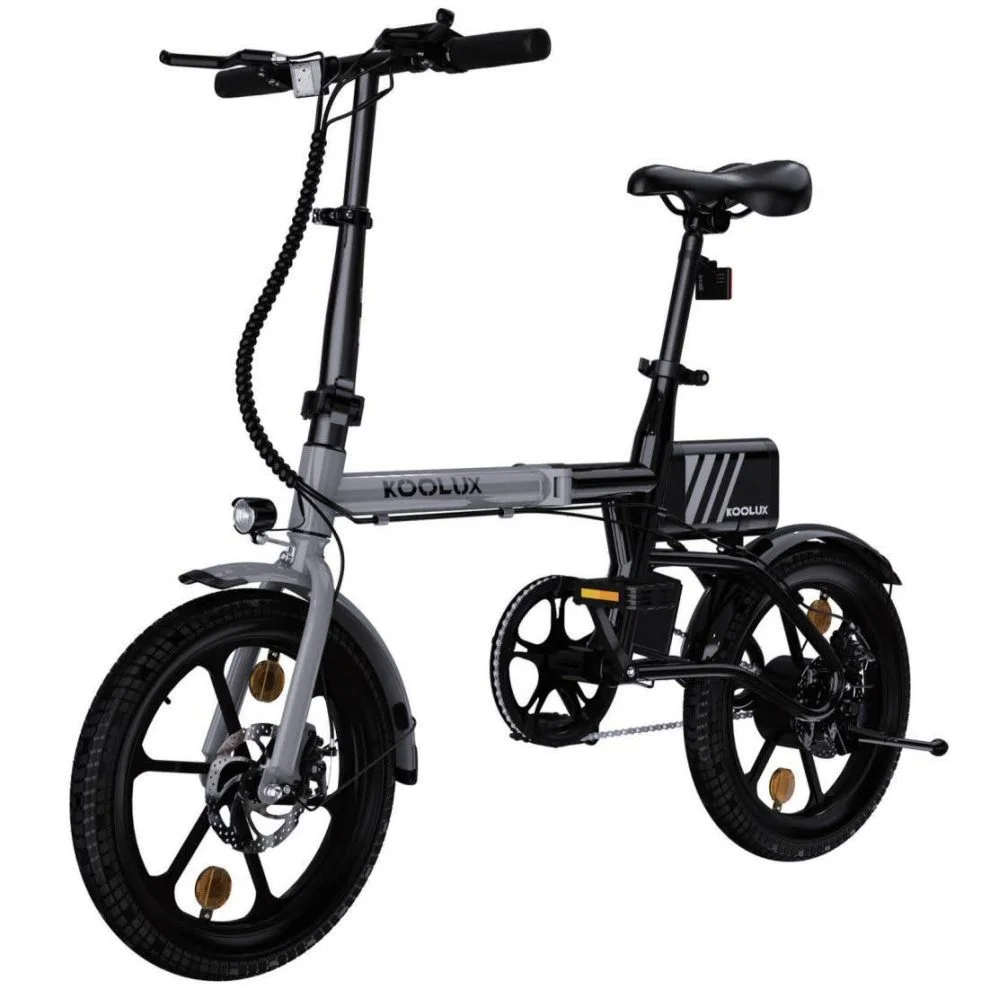
The KOOLUX X1 Folding Electric Bike is one of the most affordable electric bikes in the UK for 2026, designed for short-distance urban commuting and compact storage. Powered by a 36V 6.0Ah lithium battery, it supports daily city travel with efficient pedal assistance and a charging time of just 4–5 hours. The 16-inch tyres and lightweight 17.4 kg frame make it practical for students, apartment residents, and commuters who need portability. Equipped with front and rear disc brakes, IP54 water resistance, and a 25° climbing capability, the X1 is well suited for flat urban routes and light inclines. For riders seeking a budget-friendly entry-level electric bike under £500, this model offers strong value in the folding eBike category.
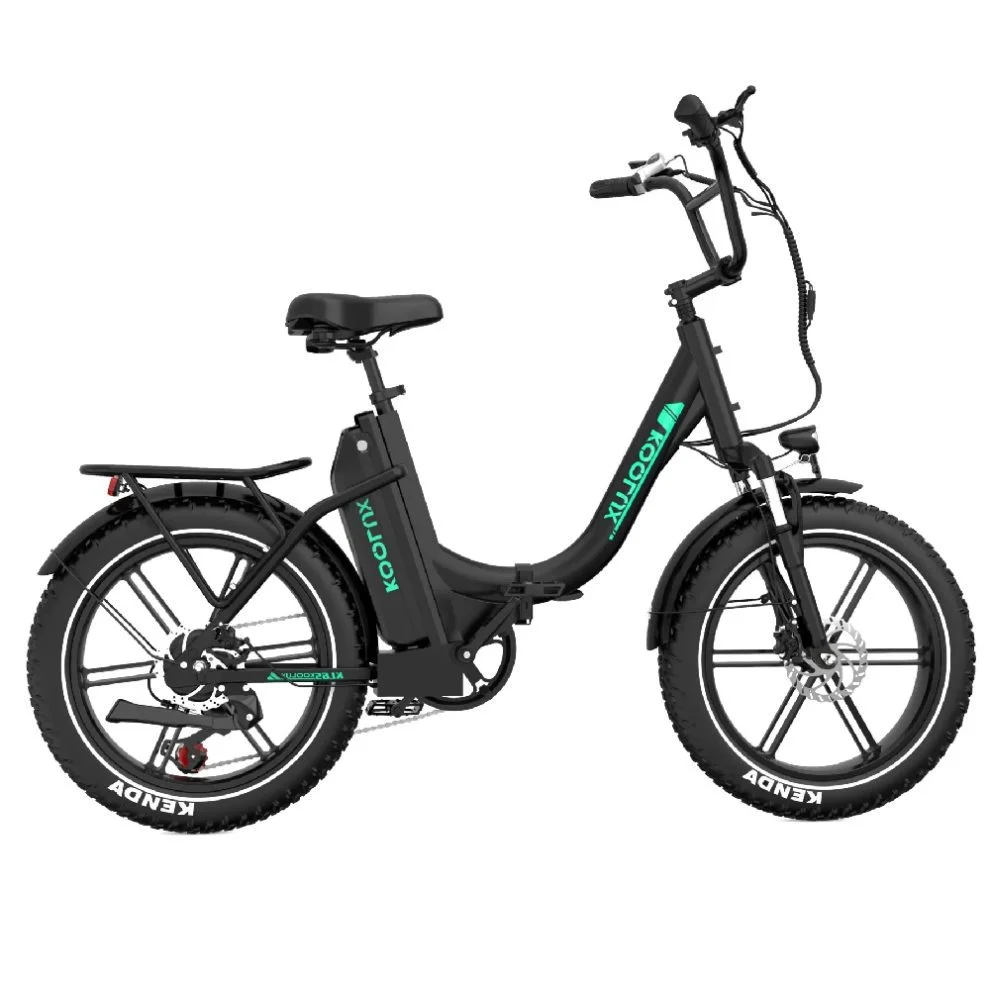
KOOLUX KL6S Folding Electric Bike – £819.99
The KOOLUX KL6S Folding Electric Bike stands out among long-range folding eBikes under £1000. Featuring a powerful 48V 15.6Ah (748.8Wh) lithium-ion battery, it delivers an impressive estimated range of 70–120 km depending on riding conditions. Built with an aluminium alloy frame and 20-inch integrated wheels, the KL6S combines durability with urban comfort. It includes a 250W rated motor compliant with UK road regulations, a 7-speed transmission system, front suspension fork, and dual disc brakes for controlled stopping. With IP54 water resistance and a multifunctional LCD display, this model is ideal for commuters seeking extended range, higher battery capacity, and reliable daily performance.
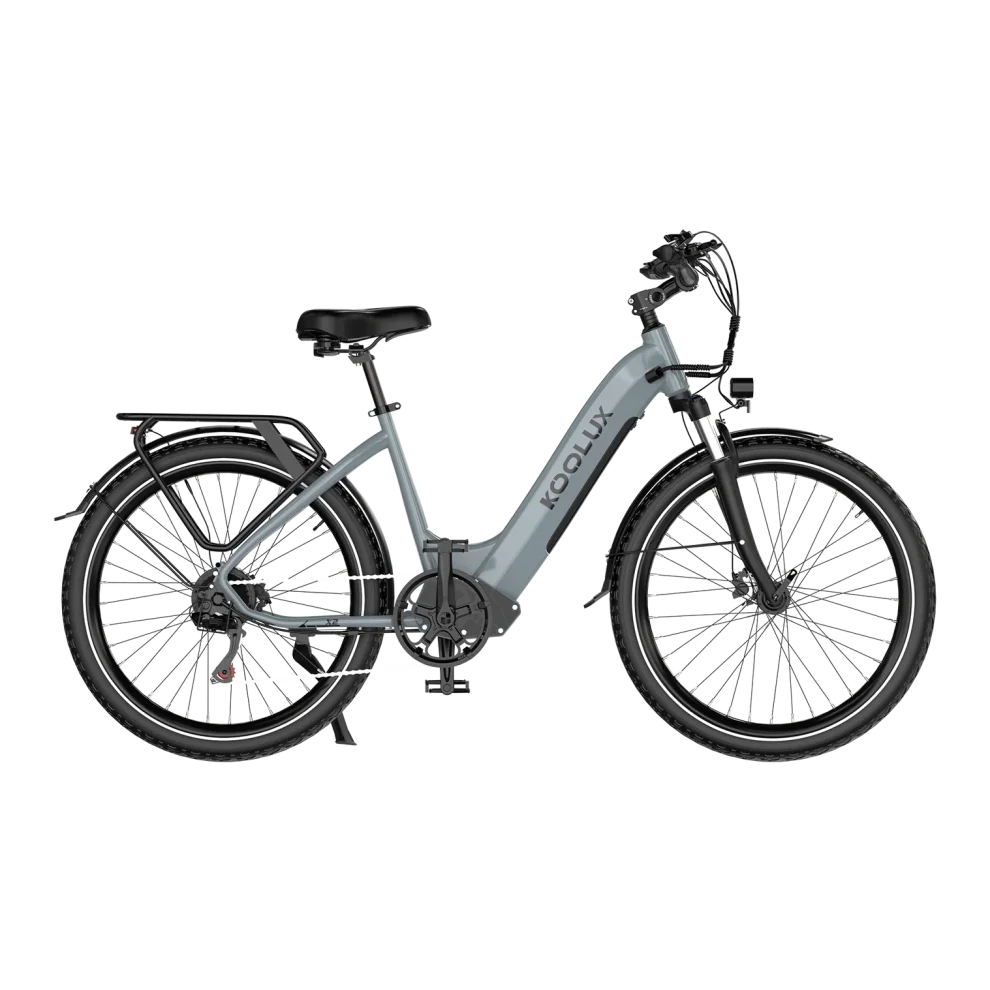
KOOLUX X2 Electric Bike – £849.99
The KOOLUX X2 Electric Bike is a 26-inch commuter eBike designed for stability and smoother road handling. Powered by a 48V 15Ah battery, it offers dependable pedal assistance and a charging time of approximately 6.5–7.5 hours. The larger wheel size improves ride comfort on city roads and uneven surfaces, while front and rear disc brakes enhance safety in wet UK weather conditions. With a 25° climbing capacity, IP54 waterproof rating, and maximum load of 120 kg, the X2 is suitable for daily commuting, longer city rides, and moderate hill routes. It represents a balanced choice for riders prioritising range and road performance within a sub-£900 budget.
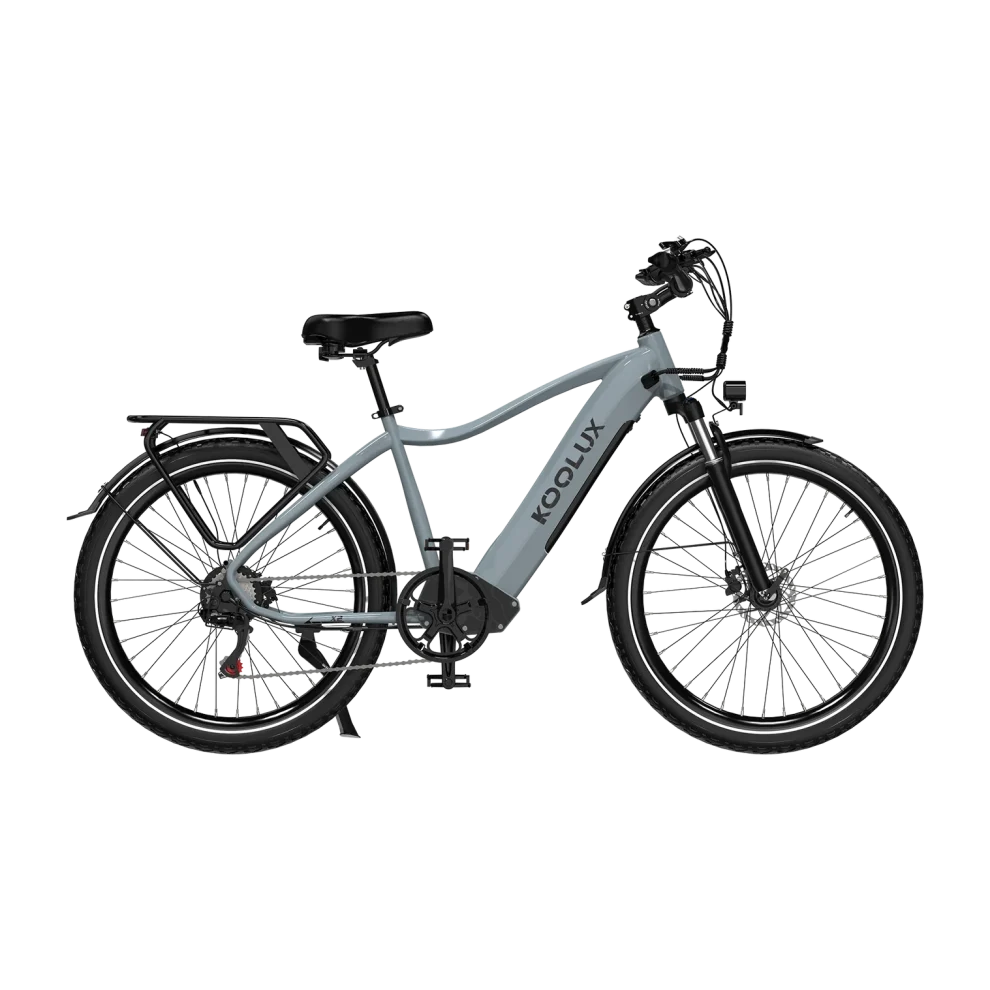
KOOLUX X3 Electric Bike – £869.99
The KOOLUX X3 Electric Bike offers similar battery performance to the X2 but with a slightly reinforced frame structure. Equipped with a 48V 15Ah lithium battery, 26-inch tyres, and front and rear disc brakes, it is engineered for consistent commuting power and rider stability. Charging takes approximately 6–7 hours, making it convenient for overnight recharging. With a maximum load capacity of 120 kg and IP54 water resistance, the X3 is designed for urban transport, suburban routes, and regular weekday travel. For riders seeking a reliable full-size electric bike under £1000, this model provides practical range and dependable braking performance.
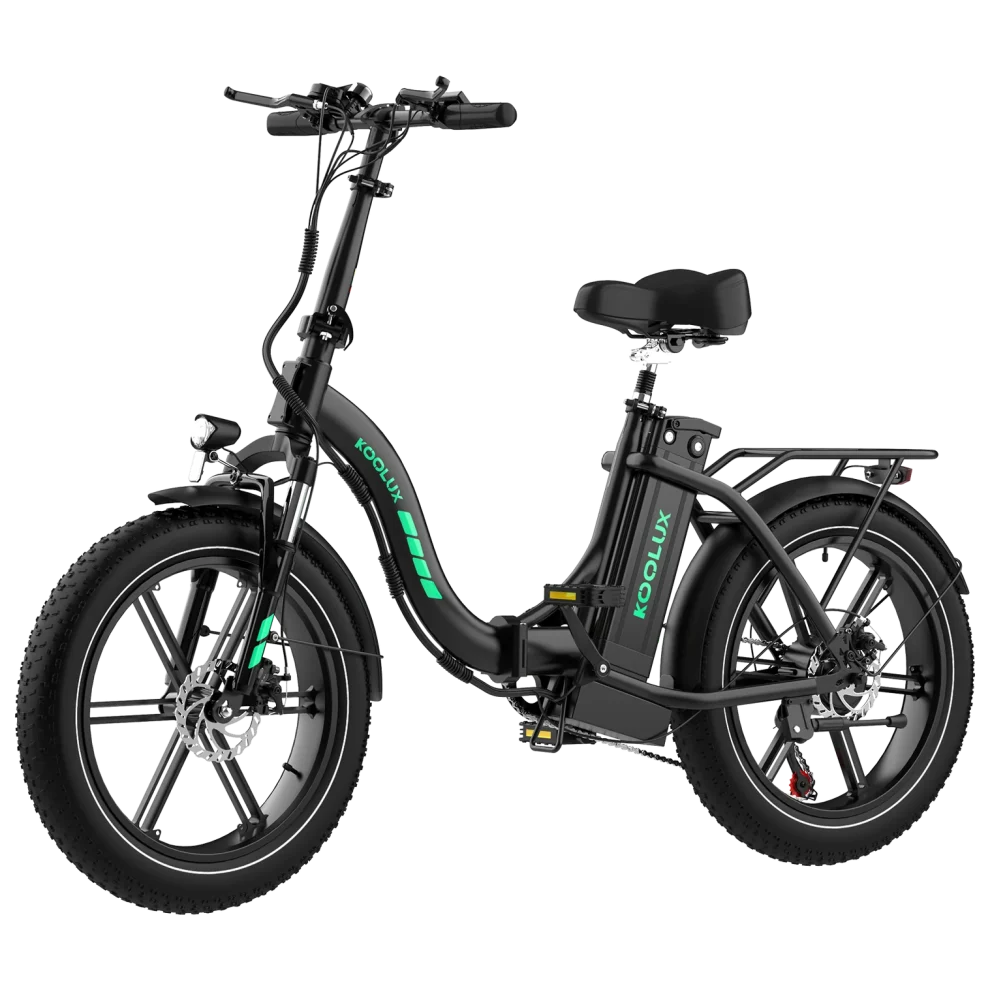
KOOLUX BK6S 4.0 750W – £749.99
The KOOLUX BK6S 4.0 750W variant offers higher motor output for riders requiring stronger acceleration and improved hill-climbing performance. Powered by a 48V 13Ah lithium battery, it maintains a 6.5–7 hour charging cycle and supports a maximum load of 120 kg. The 20-inch tyres and folding frame make it adaptable for both commuting and compact storage. Built with dual disc brakes and IP54 waterproof protection, this model is designed for riders navigating steeper inclines or carrying additional weight within an affordable price range.
KOOLUX BK6S PRO 750W – £999.99
The KOOLUX BK6S PRO 750W represents the most advanced configuration under £1000 in this range. It features a dual battery system combining 48V 13Ah plus 10.4Ah capacity, significantly extending riding range compared to standard single-battery models. Charging times vary between 5–7 hours depending on the battery unit. Designed with 20-inch tyres, front and rear disc brakes, and IP54 water resistance, the PRO version supports longer-distance commuting and higher daily usage demands. With a 120 kg maximum load and reinforced folding frame, it suits riders seeking extended battery life without exceeding a four-figure budget.
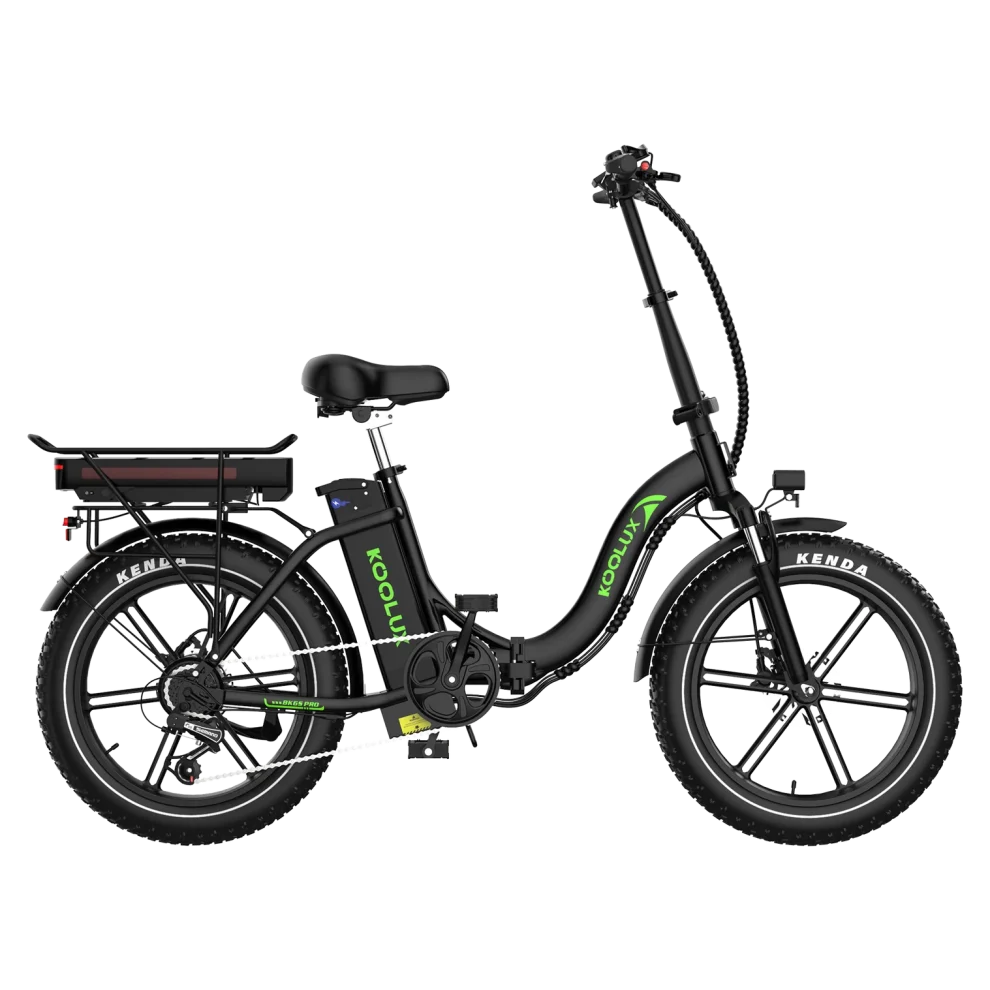
KOOLUX BK10S 500W – £749.99
The KOOLUX BK10S 500W is a compact folding electric bike powered by a 48V 13Ah 18650 lithium-ion battery, delivering consistent performance for city travel. Charging takes approximately 7–8 hours, supporting routine daily commuting. With 20-inch tyres, dual disc brakes, and a 25° climbing capacity, it offers practical control and stability. Its 120 kg load rating and IP54 waterproof standard make it suitable for regular urban riding in varied UK weather conditions.
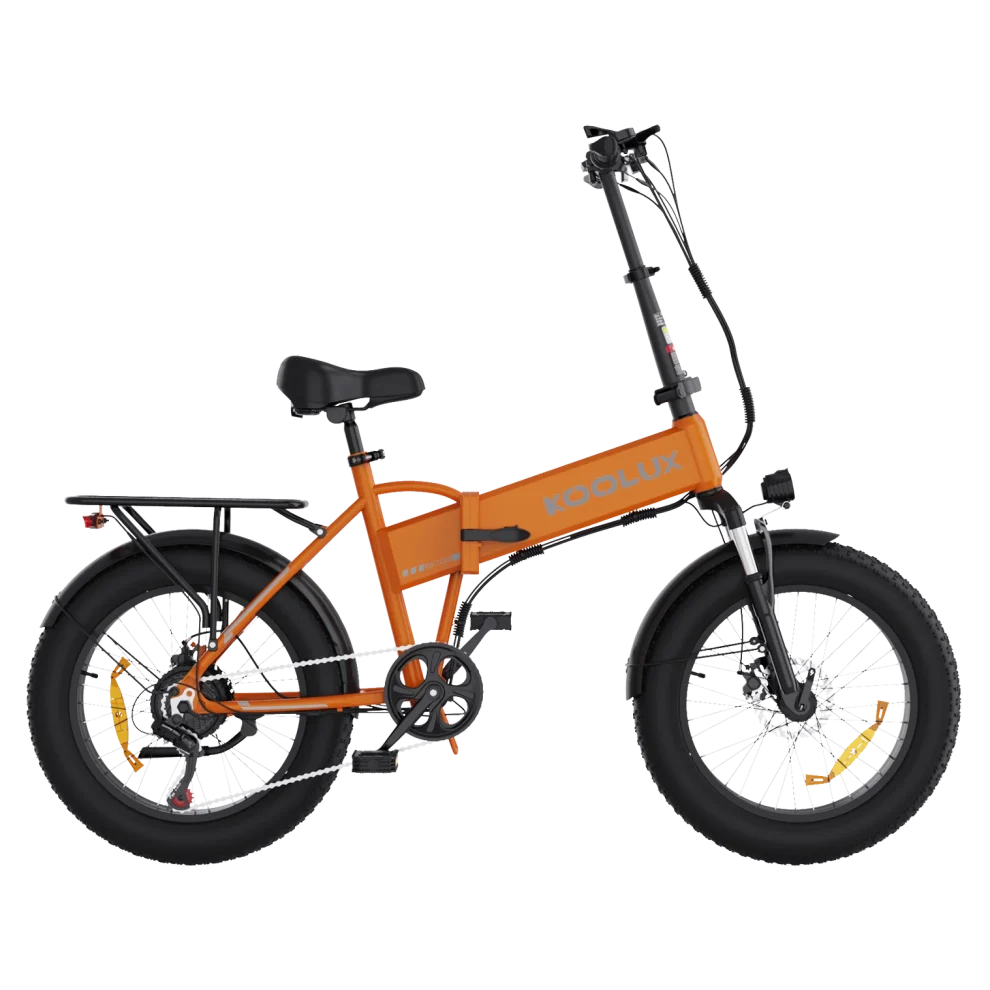
KOOLUX BK10S 750W – £769.99
The KOOLUX BK10S 750W upgrades motor output while retaining the same 48V 13Ah lithium battery platform. Charging requires 6–7 hours, and the model maintains 20-inch tyres, disc braking systems, and a folding frame design for portability. With 120 kg load support and IP54 resistance, this configuration is well suited for commuters who need stronger acceleration and enhanced climbing performance while staying within the best eBikes under £1000 category.
Are eBikes Under £1000 Worth It?
If you’re considering an eBike under £1000 in the UK, the key is understanding value versus expectations. Below is a clear breakdown addressing common buyer concerns:
Durability
- Most entry-level electric bikes use aluminium alloy frames and 250W hub motors.
- Designed for urban commuting and moderate daily use.
- Not ideal for aggressive off-road riding or heavy long-term mileage.
Battery Lifespan
- Typically powered by lithium-ion batteries rated for 500–800 charge cycles.
- Average lifespan: 2–4 years with proper care.
- Replacement battery cost in the UK: approx. £250–£400.
Maintenance Costs
- Similar servicing needs to a regular bicycle (brakes, tyres, drivetrain).
- Electrical components require minimal routine maintenance.
- Lower overall running cost compared to cars or public transport.
Resale Value
- Budget eBikes depreciate faster than premium brands.
- Well-maintained models still retain value in the second-hand market.
Upgrade Options
- Minor upgrades possible (tyres, brake pads, accessories).
- Major performance upgrades usually not cost-effective.
Buying Guide: How to Choose the Right Budget eBike
Choosing the right budget eBike under £1000 starts with understanding your daily needs. The goal is to match performance, range, and practicality with how you actually ride.
City Commuting vs Leisure
- For daily commuting in Manchester, prioritise a 250W UK-legal motor, reliable pedal assist, and a battery range of 30–50 miles.
- For leisure riding, comfort features like front suspension or a step-through frame may be more important than extended range.
Manchester Hills
- A compliant 250W motor is suitable for most urban inclines.
- Check battery capacity (Wh) to ensure consistent performance on moderate hills.
Storage & Folding Options
- If space is limited, consider a folding electric bike.
- Review overall weight (typically 20–25 kg) if you need to carry or store it indoors.
UK Road Regulations
- Legal eBikes must have a 250W motor limit and pedal assist capped at 15.5 mph.
- No licence or insurance is required for compliant models.
After-Sales Support & Spare Parts
- Choose a retailer offering warranty coverage and local servicing.
- Ensure replacement batteries and key components are easily available in the UK.
Bottom line: The best affordable electric bike is one that fits your commute, complies with UK regulations, and comes with reliable after-sales support not simply the lowest price.
Conclusion
Finding the best eBike under £1000 in 2026 is entirely possible — as long as you focus on value, practicality, and realistic expectations. Today’s affordable electric bikes in the UK offer reliable 250W motors, efficient lithium-ion batteries, and solid build quality suitable for city commuting and everyday travel.
For Manchester riders, a well-chosen entry-level electric bike can significantly reduce transport costs, provide consistent pedal assist for urban routes, and deliver long-term savings compared to fuel or public transport. The key is selecting a model that matches your daily mileage, storage needs, and terrain requirements while ensuring it complies with UK road regulations.
Ultimately, a budget eBike is not about premium performance — it’s about smart, cost-effective mobility. Choose wisely, prioritise after-sales support, and you can enjoy dependable electric cycling without exceeding your budget.